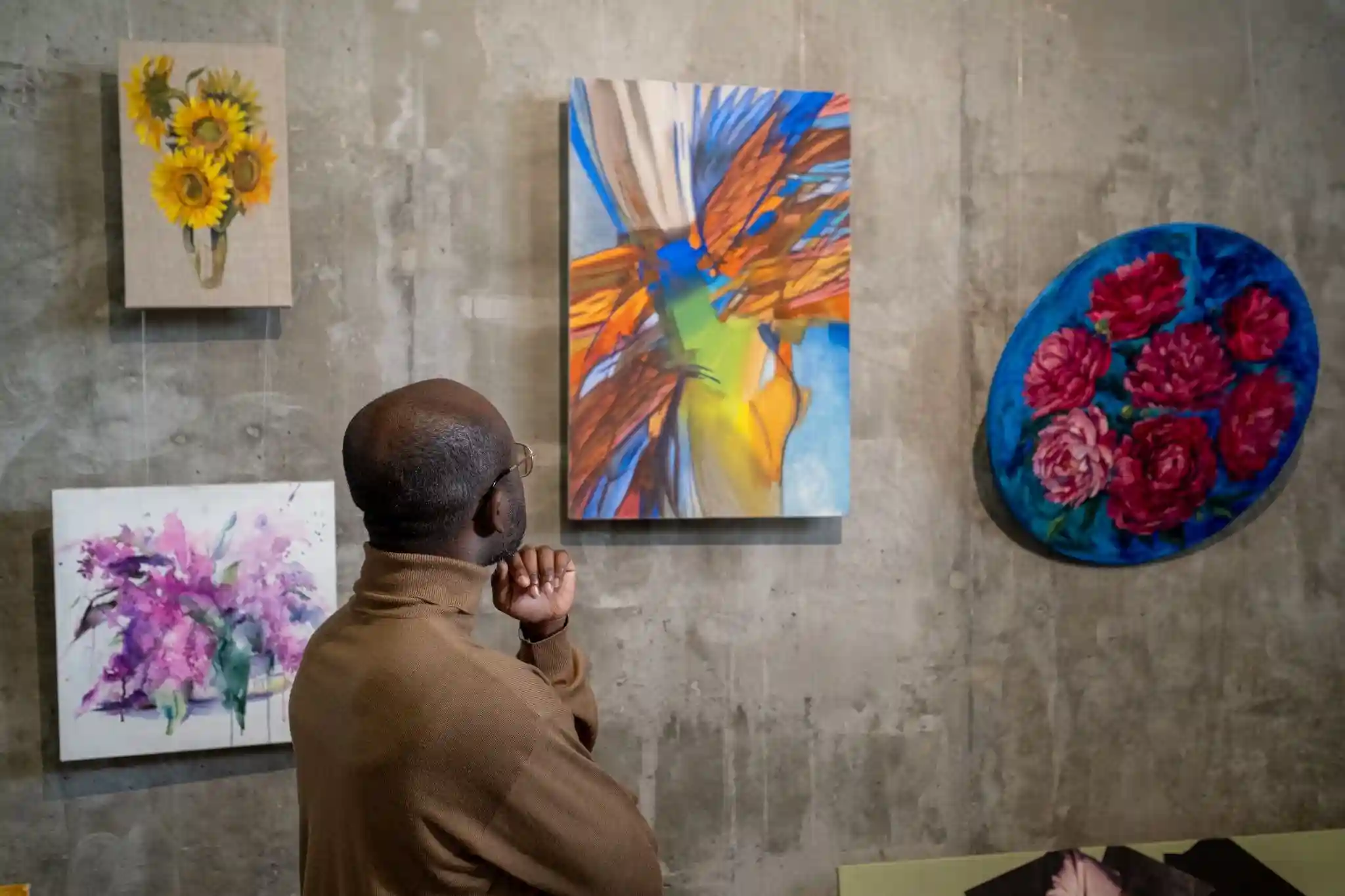
Art fairs have become more than crowded exhibition halls. They are meeting points for ideas, culture, and investment. For many collectors and casual visitors alike, contemporary art fairs are where the future of art is first revealed. You see new names before they become headlines. You witness bold experiments before they reach museums.
There is also a social side that keeps people coming back. Curators, gallery owners, and artists gather under one roof. Conversations start over a painting and continue over coffee. If you love creativity, these fairs feel alive in a way few other events can match.
The Rising Global Momentum of Contemporary Art Fairs
Over the past decade, the art market has shifted in clear ways. Younger collectors are stepping in. Digital platforms are making art more visible. As a result, contemporary art fairs are drawing larger and more diverse crowds each year. They are no longer reserved for elite insiders.
Cities now compete to host major fairs because they boost tourism and cultural status. A strong fair can place a city on the global art map. Hotels fill up, restaurants buzz, and local artists gain exposure. These events are both cultural gatherings and economic engines.
Collectors also appreciate the efficiency. Instead of visiting dozens of galleries across different cities, they can see curated selections in one place. That convenience keeps the momentum strong and ensures that contemporary art fairs remain central to the art calendar.
Must-Visit International Contemporary Art Fairs This Year
Art Basel Shows Across Continents
Few names carry as much weight as Art Basel. With editions in Basel, Miami Beach, and Hong Kong, it sets a high standard for quality. Blue chip galleries exhibit alongside rising talents, offering a broad yet refined experience. Serious collectors often plan their year around these dates.
What makes these shows special is their careful selection process. Galleries must meet strict criteria, which keeps the level consistently high. Large-scale installations and museum-quality pieces share space with bold contemporary works. For many, this is the benchmark of contemporary art fairs worldwide.
Frieze Art Fair and Its Expanding Influence
Frieze began in London but has grown into a global presence with editions in Los Angeles and Seoul. Each location brings its own character while maintaining a strong curatorial voice. Visitors often praise the thoughtful layout and engaging talks program.
The fair is known for spotlighting experimental work. You might see immersive installations, performance art, or cutting-edge media pieces. This willingness to take risks keeps Frieze at the forefront of contemporary art fairs and attracts collectors who want something fresh.
The Armory Show in New York
The Armory Show has deep roots in American art history. Held in New York, it bridges modern masters and current voices. That mix appeals to collectors who appreciate context as well as innovation. Walking through the aisles feels like moving through a timeline of artistic thought.
The fair also benefits from its location. New York’s gallery scene and museums add energy to the week. Visitors can extend their trip with gallery tours and studio visits. It is a reminder that contemporary art fairs often serve as gateways to broader cultural experiences.
Emerging Regional Fairs Gaining Global Attention
India Art Fair and South Asian Talent
India Art Fair has grown steadily in influence. It highlights South Asian artists while welcoming international galleries. For collectors interested in expanding beyond Western markets, this fair offers valuable insight and access.
The atmosphere feels dynamic and youthful. There is strong participation from local audiences, which gives the event a grounded energy. As more global collectors attend, it continues to strengthen its place among important contemporary art fairs in Asia.
Art Dubai Bridging East and West
Art Dubai occupies a unique position between Europe, Asia, and Africa. Its programming often includes artists from regions that receive less mainstream attention. That focus brings fresh perspectives and helps diversify the global art conversation.
Digital art and new media are also prominent here. The fair has invested in technology-driven presentations that appeal to younger buyers. As a result, Art Dubai has become a serious player in the world of contemporary art fairs.
Art Cologne Reinventing Tradition
Art Cologne is one of the oldest art fairs, yet it continues to adapt. It blends historical works with contemporary pieces in a thoughtful way. European collectors value this balance and the fair’s reputation for quality.
Its curated sections often highlight emerging artists alongside established names. That structure encourages discovery while maintaining trust. In a crowded calendar of contemporary art fairs, Art Cologne stands out for its stability and depth.
What Makes a Contemporary Art Fair Worth Attending
Not every fair offers the same experience. The quality of participating galleries is the first sign of value. Strong fairs carefully select exhibitors and ensure a diverse range of styles and mediums. This variety keeps the visit engaging from start to finish. Educational programming also matters. Talks, panel discussions, and artist interviews add context to what you see on the walls. They help visitors understand trends and market movements. For newcomers, this guidance can be especially helpful.
Finally, the overall atmosphere counts. Clear layouts, good lighting, and welcoming staff make a difference. The best contemporary art fairs feel organized yet lively, allowing visitors to focus on the art rather than logistics.
Insider Tips for First-Time Visitors
Planning Your Visit Strategically
If you can, attend preview days. These early hours are quieter and attract serious collectors. You get more time to speak with gallery representatives and view works without heavy crowds. It can make a big difference in your experience.
Booking travel and accommodation early is also wise. Major fairs draw international visitors, and prices rise quickly. Planning reduces stress and lets you focus on enjoying the art rather than worrying about logistics.
Engaging Like a Collector
Do not hesitate to ask questions. Gallery staff expect curiosity and are usually happy to explain an artist’s background and pricing structure. Honest conversations often lead to better understanding and sometimes better deals.
Take photos where permitted and note details that interest you. After a long day, artworks can blur together. Clear notes help you reflect calmly before making any decisions. This thoughtful approach works well at contemporary art fairs of any size.
Digital Innovation at Contemporary Art Fairs
Technology has changed how fairs operate. Many now offer online viewing rooms before and after the physical event. This allows collectors who cannot travel to participate from afar. It also extends the life of the fair beyond a few days. Digital art and NFTs have gained visibility as well. Dedicated sections showcase screen-based works and immersive projects. While not every visitor is convinced, these additions reflect the evolving nature of art itself.
Hybrid models are likely here to stay. Physical presence still matters, but digital access broadens audiences. Contemporary art fairs that adapt to both worlds tend to reach wider and younger communities.
Why Local Contemporary Art Fairs Deserve Attention
Large international fairs attract headlines, but local events offer their own rewards. They often provide closer access to artists and more relaxed settings. Conversations feel less rushed and more personal. Supporting local fairs also strengthens regional creative scenes. When collectors buy locally, they help sustain nearby studios and galleries. This creates a healthy cycle where talent can grow without immediately relocating to major art capitals.
For new collectors, local contemporary art fairs can be less intimidating. Entry costs are usually lower, and the atmosphere is welcoming. It is an ideal starting point for building confidence and knowledge.
Trends Shaping Upcoming Contemporary Art Fairs
Sustainability is becoming a real priority. Organizers are rethinking booth construction, reducing waste, and encouraging eco-friendly shipping methods. Visitors are increasingly aware of environmental impact and expect responsible practices.
Diversity is another key theme. More fairs are making deliberate efforts to include artists from varied backgrounds and regions. This shift broadens perspectives and enriches the overall experience. There is also growing collaboration between art, fashion, and technology. Installations may include sound, performance, or interactive elements. These crossovers keep contemporary art fairs exciting and reflective of wider cultural changes.
How to Turn Art Fair Visits Into Long-Term Value
A single visit can spark long-lasting relationships. If you meet a gallery you admire, stay in touch through newsletters or social media. Follow the artists you discover and track their exhibitions. This steady engagement builds knowledge over time.
Keep records of artworks you consider purchasing: note prices, editions, and your impressions. Even if you do not buy immediately, this information helps you understand market movement and refine your taste. Most importantly, trust your instincts. Art collecting is not only about investment. It is about living with work that moves you. The best experiences at contemporary art fairs often begin with a genuine emotional connection.
Final Thoughts
There is no single best fair for everyone. Some collectors prefer established names like Art Basel or Frieze. Others enjoy exploring regional events such as the India Art Fair or Art Dubai. Your choice depends on your interests, budget, and curiosity. What matters most is participation. Walking through aisles, speaking with artists, and seeing works in person offers insight that screens cannot fully replace. Contemporary art fairs bring together commerce and creativity in a unique way.