Every artist starts somewhere. Even the most skilled painters once struggled with straight lines and uneven shading. The good news is that improvement does not require talent alone. It requires steady practice and the right beginner art techniques. If you already understand basic tools and materials, the next step is sharpening your control. Small adjustments in how you draw, shade, and observe can make a big difference. In community art spaces, these improvements become even more visible because you learn alongside others.
This guide focuses on practical skills you can apply immediately. Nothing complicated. Just simple techniques that build real confidence over time.
Why Simple Techniques Matter for Beginners
Many beginners want fast results. They jump into complex portraits or detailed landscapes without building control first. This usually leads to frustration. Strong foundations make everything else easier.
When you focus on simple beginner art techniques, your hand becomes steadier. Your eye becomes sharper. You start noticing mistakes before someone else points them out. That awareness is powerful. In community art groups, artists who practice fundamentals tend to grow faster. They accept feedback more easily because they understand the basics. Simple techniques may seem small, but they shape your long-term progress.
Basic Drawing Techniques Every Beginner Should Practice
Drawing starts with control. Before worrying about style, you need steady lines and confident marks. These skills may feel repetitive, but they are essential.
Practicing Straight and Curved Lines
Start by filling a page with straight lines drawn freehand. Try vertical, horizontal, and diagonal strokes. Keep your wrist relaxed and move your whole arm when possible. Over time, your lines will look cleaner and more intentional. Curved lines are just as important. Practice circles and soft curves without lifting your pencil too often. These exercises train muscle memory. They may seem simple, yet they support nearly all beginner art techniques.
Using Light and Dark Pencil Pressure
Many beginners press too hard too soon. Light sketching gives you room to correct mistakes. It also keeps your paper clean and flexible for changes. Practice drawing the same shape using different pressure levels. Notice how lighter strokes feel softer and darker strokes create emphasis. Learning to control pressure adds depth and polish to your work.
Simple Shading Techniques to Create Depth
Flat drawings lack dimension. Shading is what makes objects look solid and real. You do not need complex tools to create depth. A basic pencil is enough.
Hatching and Cross Hatching
Hatching involves drawing parallel lines close together. The closer the lines, the darker the area appears. Keep spacing even to avoid messy shadows. Cross-hatching adds another layer of lines in a different direction. This increases darkness and builds form. These methods are classic beginner art techniques because they are easy to learn and very effective.
Blending With a Pencil or Finger
Blending creates smoother shadows. Use small circular motions with your pencil to fill areas gradually. You can gently smudge with a finger or a blending tool for a softer look. Be careful not to over-blend. Too much smudging removes texture and makes drawings look flat. Practice finding a balance between smooth shading and visible structure.
Understanding Basic Shapes and Forms
Complex subjects become easier when you break them into simple shapes. A face can begin as a circle. A house can start as a cube or a triangle. Thinking this way reduces overwhelm. Practice drawing spheres, cubes, and cylinders. Add light and shadow to each form. This helps you understand how light behaves on three-dimensional objects. These exercises may feel basic, but they are central to beginner art techniques. Once you master forms, drawing real objects becomes much more manageable.
Easy Perspective Techniques for Beginners
Perspective gives drawings a sense of space. Without it, objects appear flat or misplaced. The simplest way to begin is with one-point perspective.
Draw a straight horizon line and mark a single vanishing point. Sketch a road or hallway leading toward that point. Notice how lines narrow as they move away from you. This simple practice builds spatial awareness. You can also draw boxes in perspective. Keep lines consistent and aim them toward the vanishing point. These small exercises improve depth and realism in everyday sketches.
Introduction to Color for Beginners
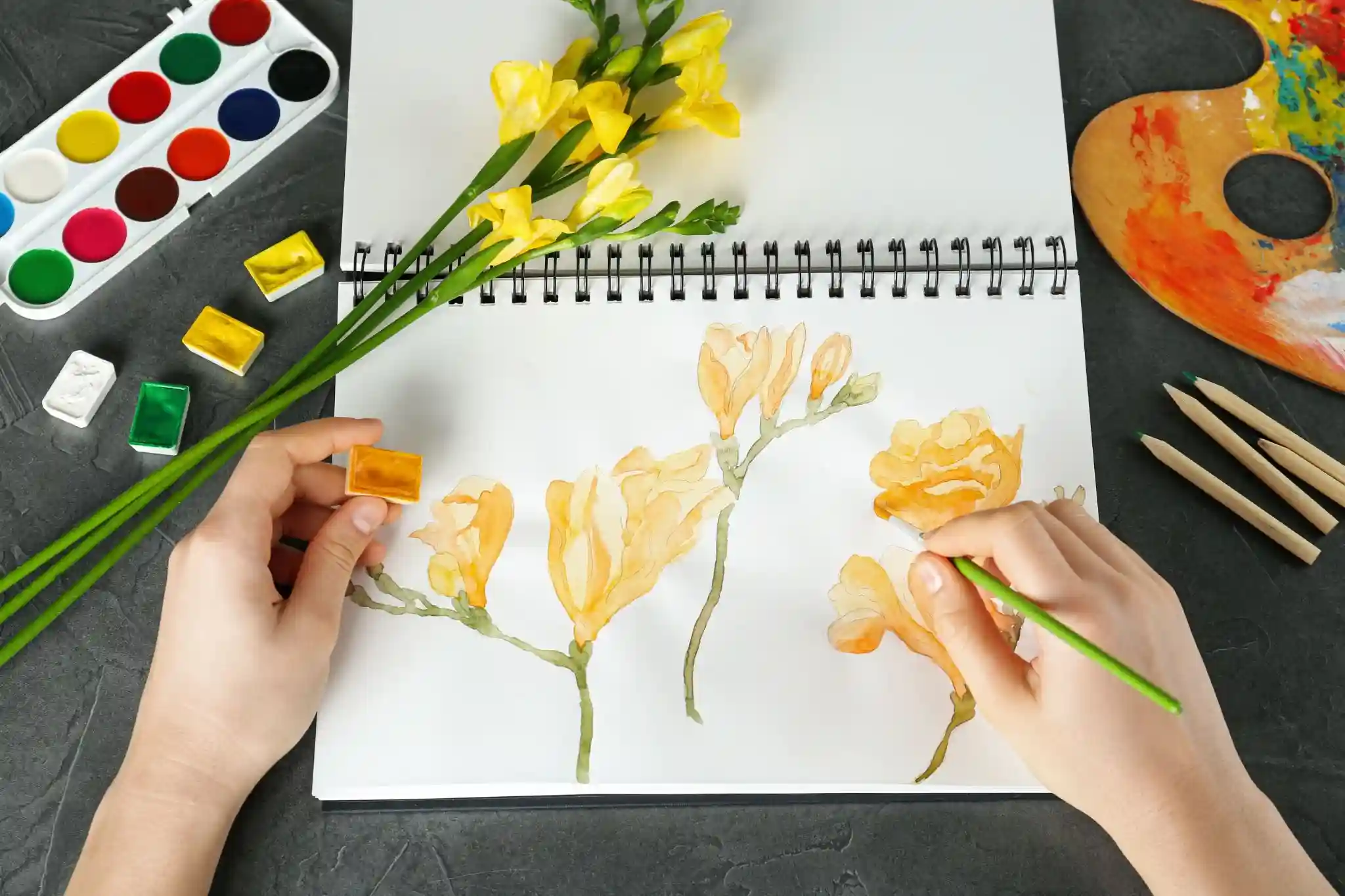
Color can feel intimidating at first. The key is to keep it simple. Start with primary colors and practice mixing them to create secondary shades. Limiting your palette helps you focus. Try completing a drawing using only two or three colors. This builds control and prevents chaotic results. Understanding warm and cool tones also helps. Warm colors often move forward visually, while cool tones recede. Applying this concept strengthens beginner art techniques and improves overall balance.
Simple Composition Techniques
Composition is about placement. Where you position your subject affects how viewers feel about the artwork. A centered object can look static, while slight shifts create interest. Try placing your subject slightly off-center. Leave breathing space around it. This prevents the page from feeling crowded. Small thumbnail sketches before a final drawing can help you test layouts. Foreground and background also matter. Even simple shading differences between front and back elements create depth. Thoughtful composition turns ordinary sketches into stronger visual statements.
Texture Techniques for Beginners
Texture adds personality to drawings. You can create it using repeated marks. Short lines can suggest grass. Small dots can represent rough surfaces. Observe real objects closely. Look at wood grain, fabric folds, or stone surfaces. Try to copy those patterns with simple strokes. Do not aim for perfection. Aim for suggestion. Texture practice strengthens observation skills and patience. It also expands your range within beginner art techniques without making things overly complicated.
Improving Observation Skills
Observation is often underestimated. Many beginners draw what they think they see rather than what is actually there. Slowing down changes everything. Set up a simple still life with a cup or book. Spend a few minutes just looking before you draw. Notice proportions, angles, and shadow shapes. This quiet focus improves accuracy. Use your pencil to measure proportions by holding it at arm’s length. Compare heights and widths. This habit trains your eye and reduces common mistakes.
Building a Daily Practice Habit
Progress comes from consistency. Even 20 minutes a day can lead to noticeable improvement. The key is focusing on one skill at a time. One day, practice shading. Another day, work on perspective. Rotate through beginner art techniques so each one receives attention. Keep old sketches in a folder to track growth. Joining community art challenges can also help. Shared goals create motivation. Seeing others practice reminds you that improvement takes time for everyone.
Learning Through Community Art Support
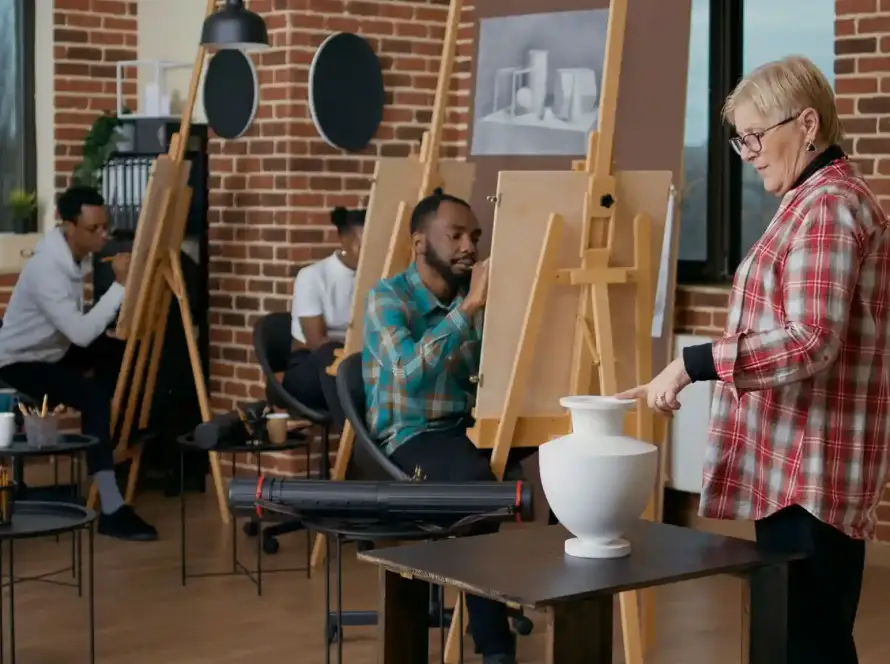
Community art spaces offer more than inspiration. They provide feedback and encouragement. Sharing your work may feel uncomfortable at first, but it builds resilience. Constructive criticism helps you spot habits you may not notice alone. Listen carefully and apply suggestions gradually. Growth rarely happens overnight. Workshops and group sessions expose you to different approaches. Watching others use similar beginner art techniques in their own style can spark new ideas and confidence.
Common Beginner Mistakes to Avoid
Pressing too hard at the start of a drawing makes corrections difficult. Keep early lines light and flexible. This simple adjustment improves your process immediately.
Skipping shape construction often leads to uneven proportions. Always begin with basic forms before adding detail. It keeps your structure strong.
Rushing shading without identifying a light source creates confusion. Decide where the light comes from before darkening areas. These small habits prevent larger problems later.
Conclusion
Art growth is rarely dramatic. It is built through repetition and small improvements. Focusing on beginner art techniques creates steady progress that feels real and lasting. You do not need expensive tools or complicated methods. You need patience, observation, and consistent practice. Over time, your lines will feel confident and your shading more controlled. Stay connected with community art groups when possible. Shared learning keeps motivation high. With steady effort, the basics become strengths, and your skills continue to grow naturally.
FAQs
1. What are the most important beginner art techniques to practice daily?
Focus on line control, basic shading, simple shapes, and observation exercises. Practicing these core skills daily builds confidence and supports long-term artistic improvement in drawing and painting.
2. How long does it take to improve basic drawing skills?
Improvement depends on consistency. With daily focused practice on beginner art techniques, noticeable progress often appears within a few weeks, especially in line control, shading accuracy, and proportions.
3. Should beginners start with color or pencil drawing first?
Starting with pencil drawing is helpful because it builds control and understanding of light and shadow. Once comfortable, adding simple color practice becomes much easier and less overwhelming.