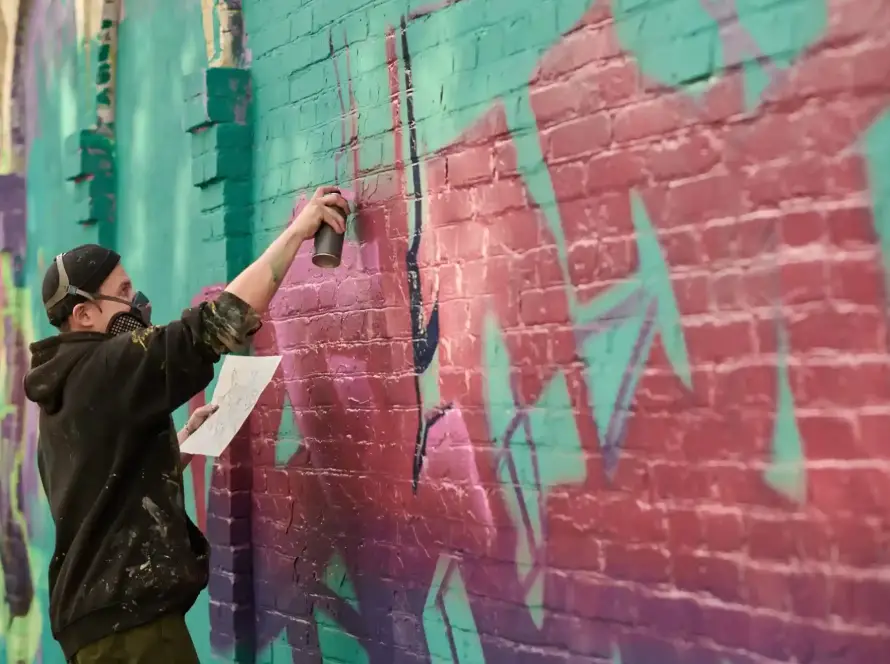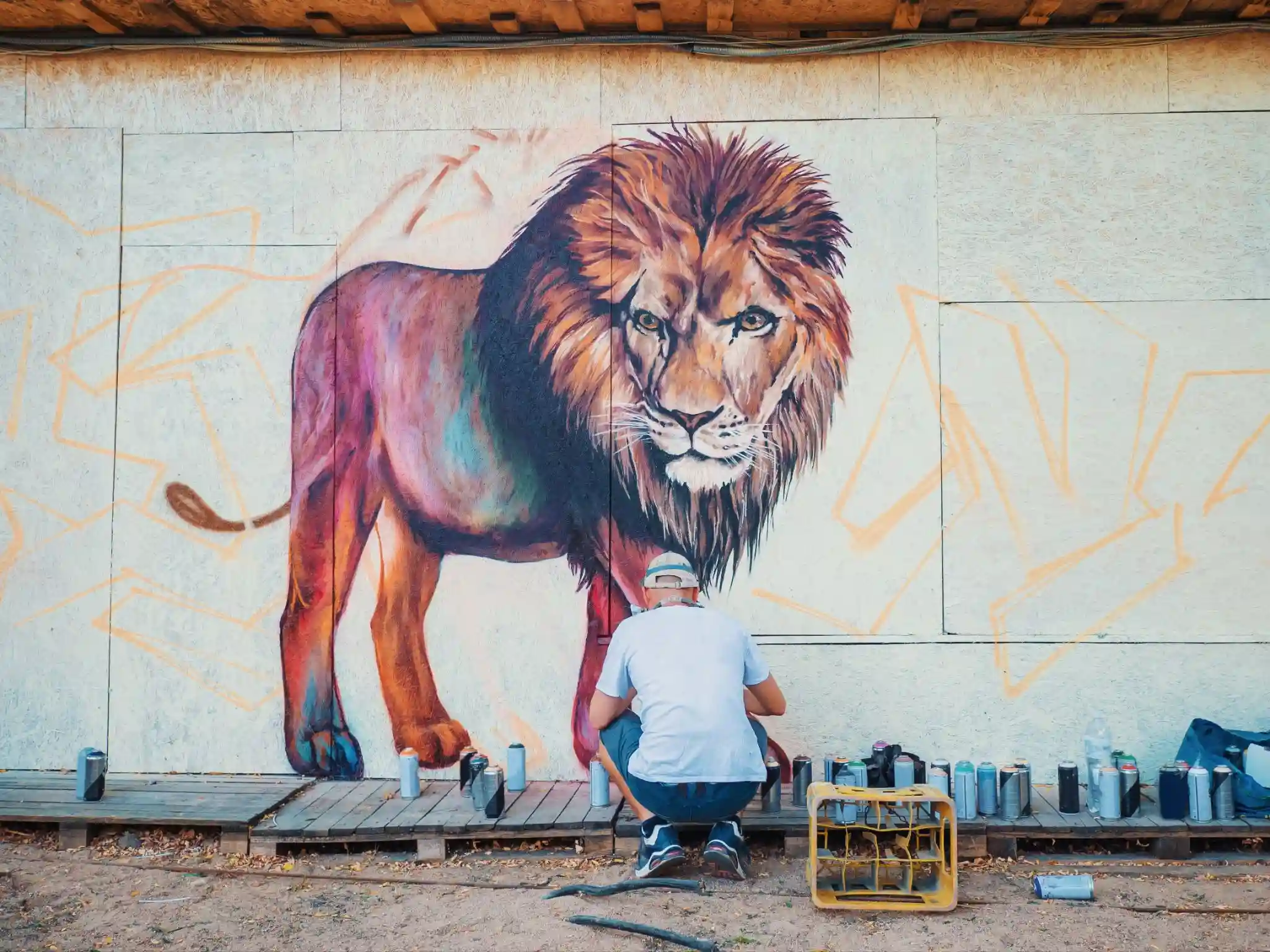
Street art has transformed from an underground movement to a celebrated form of expression that colors cities around the globe. This global street art guide aims to introduce you to the fascinating world of murals, graffiti, and urban art. Each city has its unique flavor, reflecting local culture, history, and social issues. If you’re curious about where to find these artworks, who the key players are, and how street art impacts communities, keep reading.
The Evolution of Street Art
Street art has a rich history that dates back several decades. It began as an act of rebellion, with artists using public spaces to express their thoughts and emotions when traditional art galleries seemed inaccessible. In the late 20th century, graffiti emerged as a significant movement, particularly in cities like New York. Artists like Keith Haring and Jean-Michel Basquiat brought attention to street art, showing that it could convey powerful messages and reach broader audiences.
Over time, street art has evolved into various forms, including murals and installations, often commissioned by local governments or organizations. Today, it serves not only as a medium for artistic expression but also as a tool for social commentary. Street artists tackle issues such as inequality, environmental concerns, and political unrest, making their work relevant and impactful.
Defining Street Art: Murals, Graffiti, and Beyond
Understanding street art requires recognizing its various forms. Murals are large-scale paintings that often adorn building walls, transforming bland surfaces into vibrant canvases. They can convey messages, celebrate local culture, or simply beautify an area. Graffiti, on the other hand, typically involves stylized lettering or tagging and is often considered more spontaneous and raw.
Urban art encompasses a wide range of creative expressions in public spaces, including installations, stencils, and sculptures. Each type of street art has its own style and purpose, contributing to the overall character of a city. This diversity makes street art an exciting topic to explore, as every piece tells a story about its creator and context.
Global Hotspots for Street Art
When it comes to street art, certain cities stand out as global hotspots. Berlin is often regarded as the epicenter of street art culture. The city’s history and vibrant art scene have fostered a unique atmosphere where artists can freely express themselves. Neighborhoods like Kreuzberg and Friedrichshain are filled with stunning murals that reflect the city’s diverse history. Exploring these areas can feel like walking through an open-air gallery.
Another exciting destination is Medellín, Colombia. Once known for violence, the city has undergone a remarkable transformation, and street art has played a pivotal role in this change. Artists collaborate with communities to create murals that tell stories of resilience and hope. These artworks have not only beautified the city but also fostered a sense of pride among residents.
Melbourne is another city that deserves attention for its street art. The laneways of Melbourne are adorned with various styles, from intricate murals to whimsical stencils. The city has embraced street art as part of its identity, even hosting festivals that celebrate local talent. Walking through these lanes feels like exploring a vibrant canvas, with surprises around every corner.
Notable Artists and Their Contributions
No discussion of street art is complete without mentioning influential artists who have shaped the movement. Banksy is perhaps the most recognized name in contemporary street art. His thought-provoking pieces often incorporate humor and social commentary, making them both engaging and impactful. Banksy’s anonymity adds an air of mystery to his work, sparking curiosity and debate about the nature of art itself.
In addition to established names, many emerging artists are making their mark on the street art scene. These creatives bring fresh perspectives and techniques, often reflecting their local cultures. Keeping an eye on these artists can provide insight into the future of street art and its evolving nature. Their works often resonate with community issues and personal experiences, making them relatable and powerful.
Collaborative projects are also gaining traction in the street art world. Artists often come together to create large-scale murals that address social issues such as climate change or inequality. These collective efforts not only amplify their messages but also foster community involvement, showing that art can be a catalyst for change.
The Intersection of Street Art and Technology
In recent years, technology has played a significant role in the promotion and visibility of street art. Social media platforms allow artists to share their work instantly, reaching audiences far beyond their local communities. Instagram, for instance, has become a popular space for street artists to showcase their creations, connect with fans, and collaborate with other artists.
Augmented reality (AR) is another exciting development. Some artists are now incorporating AR into their work, allowing viewers to interact with their pieces in ways that were previously unimaginable. This technology can enhance a street art experience by providing additional layers of meaning or storytelling, inviting viewers to engage more deeply with the artwork. The rise of virtual tours has also made street art more accessible. Many cities now offer guided tours that can be experienced online, allowing people from around the world to explore street art hotspots without leaving their homes. These tours often include insights from artists and historians, enriching the viewer’s understanding of the art form.
The Cultural Impact of Street Art
Street art has a profound impact on the communities in which it exists. One of its most significant roles is as a form of protest. Artists often use their work to highlight social injustices and spark conversations about pressing issues. For instance, during the Black Lives Matter movement, many artists created powerful murals that conveyed messages of solidarity and resistance.
Moreover, street art can shape urban identity. It can transform neglected areas into vibrant spaces, attracting tourists and revitalizing neighborhoods. This transformation, however, can sometimes lead to gentrification, where rising property values displace long-time residents. Thus, while street art can beautify and uplift, it also raises questions about ownership, community, and access.
Additionally, street art fosters a sense of belonging among residents. When people see their experiences and stories reflected in public art, it creates a connection to their environment. This connection can lead to increased community engagement and pride, as locals feel that their voices are represented.
Engaging with Street Art
If you want to experience street art in your city, there are a few ways to get involved. Start by exploring local neighborhoods known for their murals and graffiti. A simple walk can reveal hidden gems that tell stories about the community. Many cities also offer guided street art tours, providing insights into the artists and their motivations behind the work.
Supporting local artists is another meaningful way to engage with street art. Attend exhibitions, buy prints, or participate in community art projects. By supporting artists, you contribute to the vibrancy of your local culture and help ensure that street art remains a vital form of expression.
Lastly, consider sharing your experiences with street art on social media. Tagging artists and using relevant hashtags can help promote their work and connect with other art enthusiasts. Sharing your discoveries not only spreads awareness but also fosters a sense of community among those who appreciate street art.
Conclusion
The world of street art is rich and diverse, offering insights into culture, history, and social issues. This global street art guide provides a glimpse into the vibrant murals, graffiti, and urban art that shape our cities. From the streets of Berlin to the laneways of Melbourne, each piece of art tells a story, inviting us to engage and reflect.
As street art continues to evolve, it remains a powerful form of expression that resonates with people worldwide. Embracing this art form allows us to appreciate the creativity and passion of artists who challenge conventions and inspire change. Whether you’re a seasoned enthusiast or a curious newcomer, the journey into the world of street art offers endless possibilities for exploration and connection.
FAQs
1. What distinguishes murals from graffiti?
Murals are typically large-scale artworks that convey messages or beautify spaces, while graffiti often involves stylized lettering or tagging and is usually more spontaneous.
2. How can I find street art in my area?
Explore local neighborhoods known for street art, check social media for artist tags, or join guided tours that highlight the best works and their stories.
3. What are some famous street art festivals to attend?
Notable street art festivals include the Mural Festival in Montreal, the Venice Beach Art Walk in California, and the Street Art Festival in Melbourne.
4. How does street art influence urban communities?
Street art can beautify neglected areas, foster community pride, and spark conversations about social issues, ultimately enhancing the urban experience.
5. Can street art be considered fine art?
Yes, street art is increasingly recognized as fine art. Many artists are showcased in galleries, and their work often reflects significant cultural and social commentary.