Graffiti has long been more than just spray paint on walls. It represents a vibrant, often controversial form of self-expression that reflects social, political, and cultural shifts. The history of modern graffiti shows how a subculture became a global art movement. By tracing its development, we gain insight into urban identity, creative innovation, and the challenges street artists face.
Modern graffiti is a lens through which we can examine broader societal changes. Understanding its history helps contextualize current trends and recognize the artistic value often overlooked in public debates. This article explores the evolution of modern graffiti, its pioneering artists, and its impact on contemporary street culture. By highlighting these developments, readers can appreciate how graffiti has transformed from a clandestine activity into a respected artistic medium with global influence.
Origins of Graffiti: Early Influences
Graffiti’s roots reach back centuries. Ancient civilizations used inscriptions and symbolic markings to communicate messages. Urban communities in the 20th century adapted this approach to express identity, social concerns, and defiance of authority. Graffiti became a voice for those without traditional platforms, turning walls into canvases and streets into galleries. Its emergence as a cultural phenomenon reflected broader societal trends, urbanization, and youth expression.
Modern graffiti emerged as a distinct movement in the late 1960s and early 1970s. Artists began leaving tags, stylized signatures on subways and walls in large cities. The Bronx in New York City became a focal point, where young writers turned public spaces into canvases. Their work was often illegal but highly visible, allowing their messages and styles to reach wide audiences.
Graffiti in New York City
New York City played a central role in shaping the modern graffiti movement. The city’s dense urban environment and subway systems provided ideal surfaces for tagging and murals. Early writers, including TAKI 183 and Cornbread, set the stage for future generations by popularizing unique signatures and inventive lettering styles. Graffiti reflected both neighborhood pride and broader social commentary, giving visibility to marginalized communities that were often overlooked by mainstream culture.
Economic hardship, neighborhood rivalry, and a desire for recognition fueled the growth of graffiti. The movement became a platform for marginalized youth to claim space in public areas and showcase creativity. Understanding this context is crucial to appreciating the history of modern graffiti and its roots in urban storytelling.
The 1970s and 1980s: Birth of Modern Styles
The 1970s marked the period when graffiti shifted from simple tagging to intricate pieces. Writers began experimenting with bubble letters, wildstyle lettering, and vibrant color schemes. Subway cars became moving galleries, exposing millions of commuters to the art form. The visual complexity increased dramatically, reflecting both personal expression and the influence of emerging urban culture. Artists honed their craft with greater attention to detail, layering, and scale, pushing the boundaries of what public space could convey visually.
Hip-hop culture played a significant role in shaping these aesthetics. Graffiti was one of the four elements of hip-hop, alongside DJing, MCing, and breakdancing. This cultural synergy created a distinctive urban identity that connected music, fashion, and visual art. Graffiti became more than a visual signature; it was part of a broader lifestyle and community ethos, embodying creativity, resistance, and shared cultural values.
Notable Artists and Movements
Artists like Jean-Michel Basquiat and Keith Haring began in the streets before gaining recognition in galleries. Early crews organized rivalries, competitions, and collaborations that advanced the complexity of letterforms and mural design. Their contributions were pivotal in legitimizing graffiti as a creative practice rather than mere vandalism. These pioneers also inspired countless younger artists to refine techniques and experiment with scale and style while cultivating a sense of belonging within urban communities.
During this era, graffiti’s social dimension became clear. It reflected community pride, political awareness, and youth identity. These historical developments provide essential context for understanding the history of modern graffiti today. Graffiti evolved into a dialogue, conveying not only artistic skill but also messages about inequality, cultural expression, and the human experience within rapidly changing city landscapes.
Graffiti Meets Street Art: 1990s Transformation
The 1990s saw graffiti evolve into a recognized form of street art. Some artists transitioned from illicit tagging to commissioned murals and gallery exhibitions. This era blurred the line between vandalism and legitimate creative expression. Graffiti became a medium that could simultaneously challenge authority, beautify urban space, and provide employment opportunities for talented artists.
Graffiti began interacting with urban development projects and cultural initiatives. Public murals and street art festivals elevated the perception of graffiti, attracting wider audiences and influencing contemporary design.
Global Spread and Cultural Exchange
Graffiti’s influence quickly spread from New York to Europe, Asia, and Latin America. Local artists adapted styles to reflect regional social issues, aesthetics, and political messages. Cities like Berlin, São Paulo, and London developed their own graffiti identities while remaining connected to the movement’s origins. The global exchange encouraged cross-pollination of styles and techniques, fostering a dialogue between street artists across continents.
International exhibitions, documentaries, and social media amplified global awareness. Graffiti became a dialogue across cultures, allowing artists to share techniques, political commentary, and visual storytelling. The global exchange enriched the history of modern graffiti, demonstrating its adaptability and universal appeal.
Techniques, Styles, and Tools Evolution
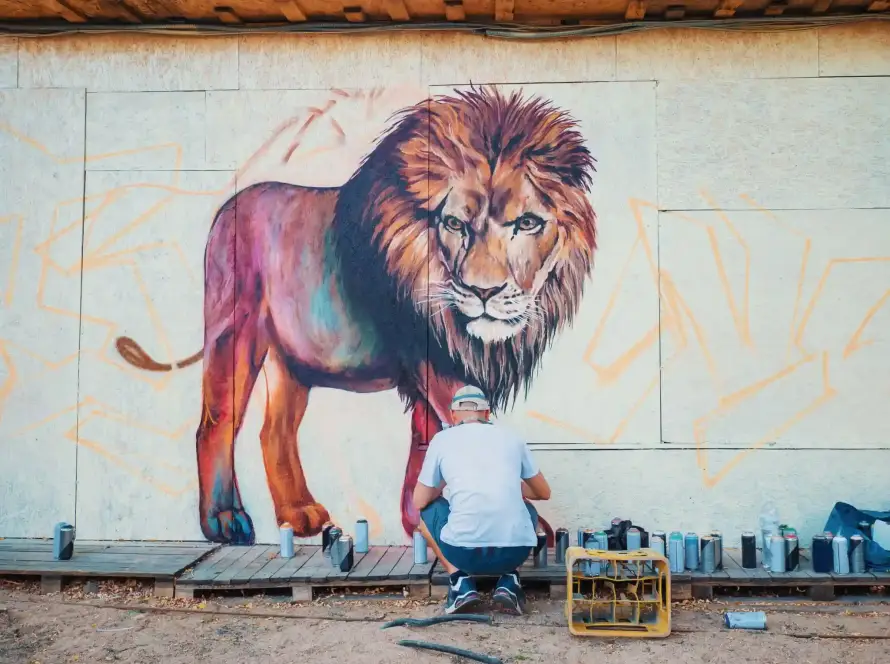
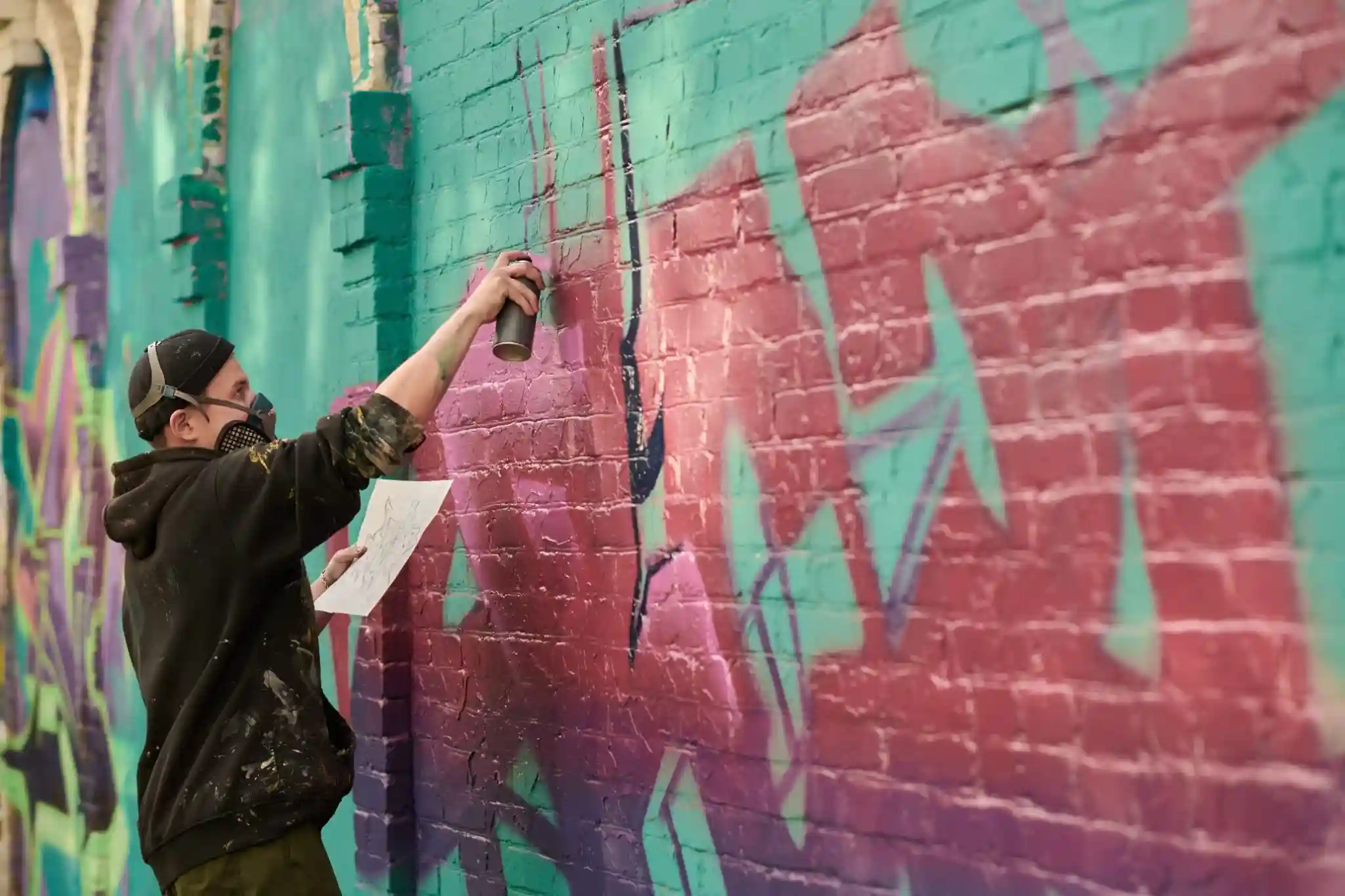
The tools of graffiti have evolved alongside its styles. Spray cans and markers remain central, but stencils, murals, and digital projections have expanded artistic possibilities. Graffiti is now documented online, influencing both street culture and mainstream design. Artists increasingly combine techniques to create hybrid works that engage viewers and communicate complex narratives.
Innovations in lettering, color, and three-dimensional effects reflect technical mastery and experimentation. Artists combine abstract forms, figurative imagery, and text to communicate complex narratives. Graffiti has become a medium for both personal expression and social commentary, offering viewers layered experiences in public spaces. Public interaction with these works has also grown, with communities taking pride in murals and large-scale installations that transform ordinary urban spaces into immersive cultural experiences.
Innovation in Lettering and Imagery
Wildstyle lettering and complex murals require advanced skill and planning. Artists use perspective, shadowing, and layering to create dynamic effects. Large-scale murals often tell stories about local culture, politics, or history, demonstrating graffiti’s narrative potential. Graffiti serves as a medium to preserve history visually, document social change, and provide commentary on current issues while pushing technical and creative boundaries.
Contemporary Graffiti: Recognition and Challenges
Graffiti is increasingly recognized as a legitimate art form. Public and private spaces commission murals, while galleries exhibit urban artists. Despite this, tensions remain between legality and the movement’s original rebellious ethos. The debate between commercialized street art and underground authenticity continues to shape contemporary practice.
Commercialization and gentrification present new challenges. Some artists resist institutionalization, valuing street visibility over recognition in traditional art markets. Others use partnerships with brands to sustain their work financially while maintaining authenticity. These dynamics illustrate the complexity of contemporary graffiti culture and emphasize the importance of understanding its historical development to navigate the modern street art landscape strategically.
Conclusion
The history of modern graffiti traces a journey from underground tagging to international artistic recognition. Early pioneers, urban challenges, stylistic innovations, and global adoption illustrate its evolution. Graffiti remains a tool for expression, storytelling, and social commentary. Studying this history helps contextualize modern practices and reveals the ongoing tension between rebellion and legitimacy. Graffiti continues to shape urban spaces, influence popular culture, and offer artists a public platform. Understanding its roots allows viewers and practitioners alike to appreciate its complexity and significance while recognizing the creativity and resilience of urban communities.
FAQs
1. What defines modern graffiti versus traditional street writing?
Modern graffiti emphasizes stylistic lettering, murals, and artistic expression, while traditional street writing focuses on simple tags, political messages, and social commentary.
2. Who were some of the pioneers of modern graffiti?
Artists like TAKI 183, Cornbread, Keith Haring, and Jean-Michel Basquiat shaped early tagging, murals, and public recognition of graffiti as a legitimate art form.
3. How did hip-hop culture influence graffiti?
Graffiti became one of hip-hop’s four elements, linking visual art with music, dance, and street identity. This cultural synergy shaped style, community, and public presence.