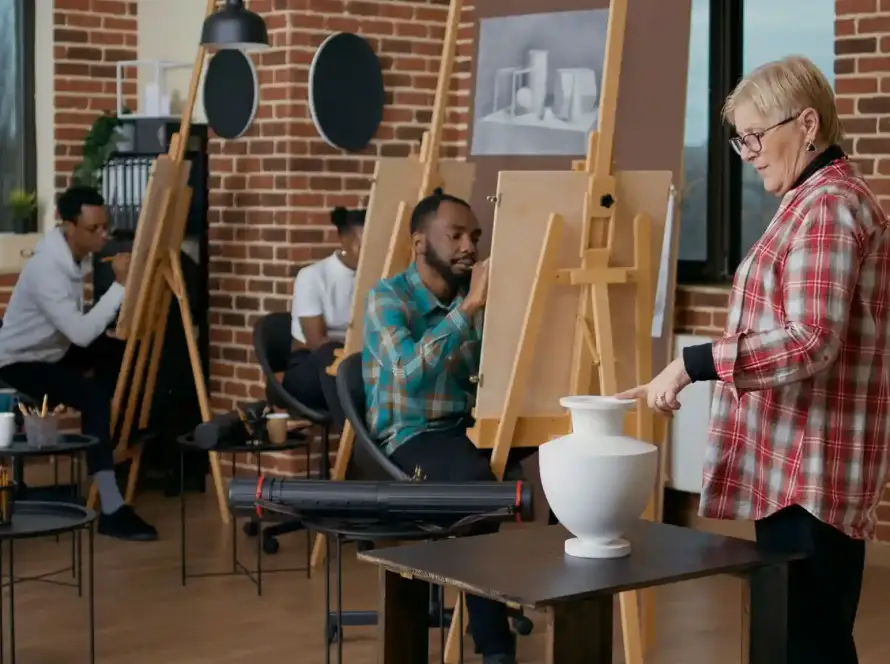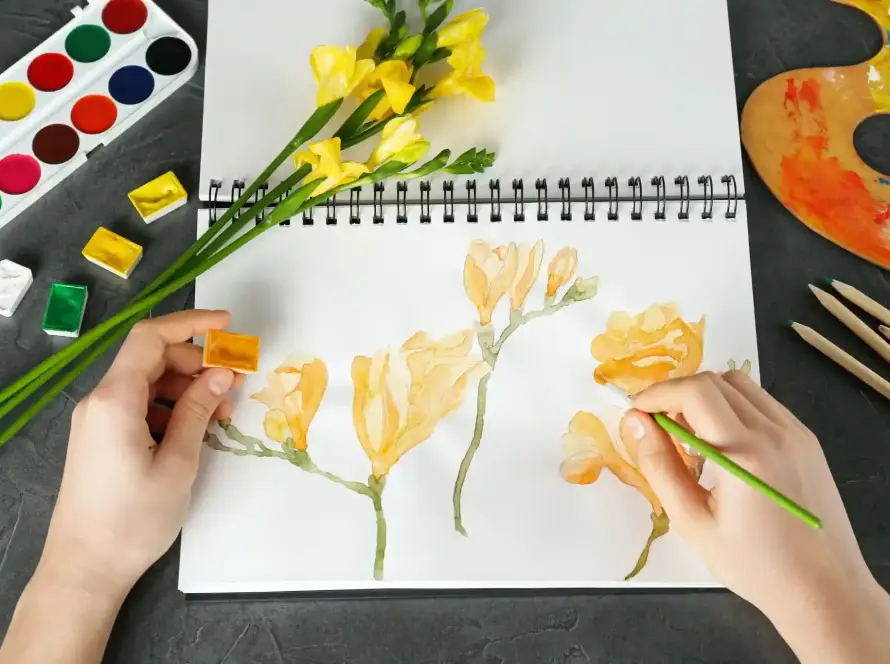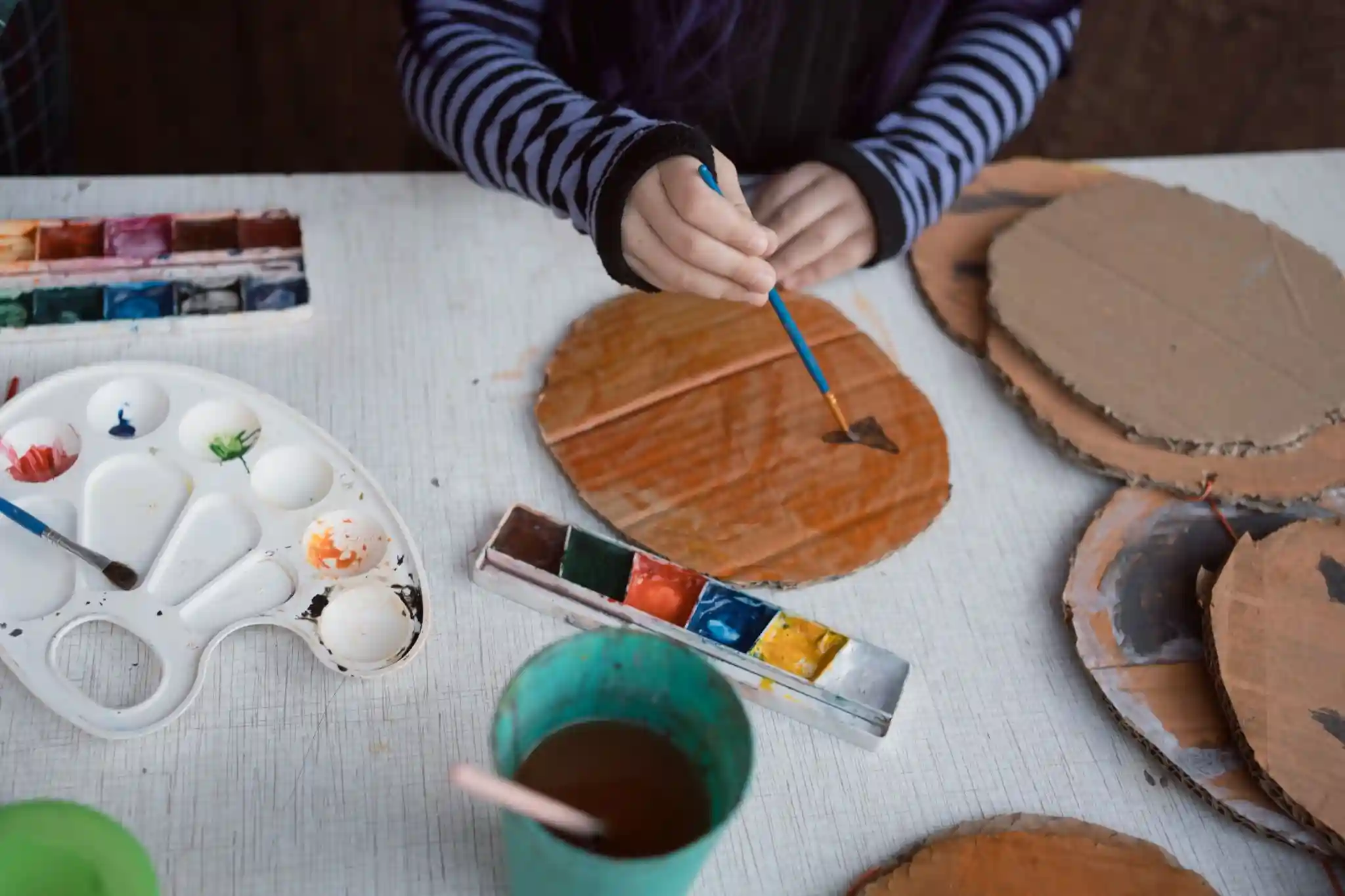
Art workshops are a wonderful way to bring people together, spark creativity, and help everyone express themselves. They are not just for kids or beginners. Adults and teens can gain just as much from exploring new techniques and making something with their hands. Well-planned workshops offer a space where participants can experiment, enjoy themselves, and share their ideas with others. The best workshops feel engaging, supportive, and fun while giving everyone a chance to be creative.
Art workshops also teach more than just technique. They encourage observation, problem-solving, and personal expression. They can build confidence and create a sense of community. By trying different activities, participants discover what they enjoy and develop skills they can continue to use outside the workshop. For facilitators, the goal is to create experiences that are enjoyable, flexible, and inspiring for all ages.
Planning Your Workshop: Tips for Success
When organizing a workshop, it helps to have clear goals. Knowing what you want participants to gain makes it easier to choose activities and plan the session. Consider who will attend, how much time you have, and what materials are suitable. Small adjustments like lighting, seating, and workspace arrangement can make a big difference in participant comfort and engagement. A little preparation helps the session run smoothly and keeps everyone focused on creating art.
It is also important to think about participants’ experience levels. Some may have previous art skills, while others are exploring for the first time. Designing activities that are flexible allows each participant to work at their own pace and enjoy the process without feeling pressured. A good workshop balances structure with freedom so that people can try new techniques while still feeling supported.
Understanding Your Audience
Knowing your audience makes it easier to plan activities that fit their abilities and interests. Children may need shorter, hands-on projects, while adults may enjoy more detailed work. Mixed-age groups require exercises that allow collaboration without leaving anyone behind. It is also worth considering accessibility, attention spans, and energy levels when planning activities. A little thought in advance can make the difference between a chaotic session and a smooth, enjoyable workshop.
Hands-On Art Activities for Everyone
Interactive and hands-on activities are at the heart of any good art workshop. Participants enjoy creating something tangible and sharing it with the group. These activities can range from painting to collage to simple sculpture. What matters most is giving everyone the chance to experiment, make choices, and see immediate results from their effort. Hands-on work encourages learning through doing, which is both fun and memorable.
Workshops that offer a variety of materials and techniques allow participants to explore their creativity in different ways. By trying different methods, people discover what they enjoy and develop confidence in their abilities. Flexible exercises ensure that beginners are not overwhelmed and that more experienced participants still feel challenged. Mixing different types of activities keeps the session lively and interesting for everyone.
Mixed Media Exploration
Mixed media projects are ideal for workshops with participants of different ages and experience levels. Combining drawing, painting, and collage lets everyone experiment and try new ideas. The materials are simple but versatile, giving participants room to express themselves without worrying about mistakes. This kind of activity encourages creativity and allows everyone to work at their own pace. It is also fun to see the variety of results that emerge when people approach the same materials differently.
Collaborative Projects
Group projects are a great way to encourage teamwork and social interaction. Large murals, shared canvases, or community art boards allow participants to create something together. Collaborative work teaches communication and cooperation while giving a sense of shared accomplishment. Facilitators can guide the process to make sure everyone contributes and enjoys the experience. These projects are often some of the most memorable parts of a workshop.
Theme-Based Workshop Ideas
Using a theme helps give participants direction and inspires ideas. Themes can be as simple as seasonal projects, favorite stories, or local culture. Themes give structure to activities while still allowing participants to interpret them creatively. They help participants focus and make decisions about their art, which builds confidence and satisfaction. Choosing a theme that resonates with the group enhances engagement and ensures everyone is motivated.
Nature and Outdoors
Workshops that use natural materials or outdoor spaces bring an extra layer of creativity. Participants can work with leaves, flowers, or small objects they find outside. Art inspired by nature encourages mindfulness and observation while connecting people with the environment. Facilitators can show simple techniques for safely using natural materials, keeping projects fun and accessible. This type of activity often appeals to all ages and can be adapted for indoor settings as well.
Storytelling Through Art
Story-based projects encourage participants to express ideas, experiences, or favorite books visually. Creating art from personal stories allows people to share something meaningful while practicing composition, color, and design. This approach works for children, teens, and adults alike. Storytelling exercises also help participants develop narrative thinking and a deeper connection to their work. Guided prompts or simple instructions can make this activity enjoyable for everyone.
Using Technology in Workshops
Technology can add a fun and modern element to art workshops. Simple digital tools, such as tablets or free software, can introduce drawing or basic animation. Technology offers a new way to create art without replacing traditional methods. Participants can combine digital and physical techniques for more variety. It is important to choose tools that are easy to use and suitable for different age groups.
Simple Digital Drawing or Animation
Even beginners can enjoy digital illustration with user-friendly apps or online platforms. Exercises can include creating small digital drawings or simple animations. Facilitators should encourage experimentation and focus on creativity rather than perfection. Mixing digital art with traditional techniques allows participants to explore new methods while still learning foundational skills. This balance makes workshops engaging and keeps participants interested.
Tips for a Successful Workshop Experience
Observing participants and adjusting activities helps keep workshops running smoothly. Celebrating completed projects and encouraging sharing fosters a positive atmosphere. Facilitators can provide guidance while allowing participants to take ownership of their work. Flexibility ensures that sessions are fun, rewarding, and inspiring for everyone.
Getting Feedback and Improving
Feedback is a helpful tool for refining future workshops. Asking participants what they enjoyed or what they would like to try next helps facilitators improve sessions. Reflection also allows facilitators to discover new art techniques and activities that work well across age groups. Adapting workshops based on feedback ensures that every session continues to feel fresh, fun, and meaningful.
Conclusion
Art workshops are powerful opportunities for creativity, connection, and learning. By choosing activities that are accessible, hands-on, and engaging, facilitators can create enjoyable experiences for children, teens, and adults alike. The best workshops allow for flexibility, encourage collaboration, and provide a supportive space for experimentation. Using the ideas shared here, anyone can plan sessions that inspire confidence, imagination, and a love for art, no matter the participant’s age or skill level. Creative workshops bring people together, spark curiosity, and leave participants with a sense of accomplishment they can carry beyond the session.