Visual art is a captivating realm where creativity meets skill. Every artist, whether a beginner or a seasoned professional, benefits from mastering modern visual art techniques. These techniques not only enhance your skills but also enrich your artistic expression. In this blog post, we will explore essential skills and methods that can elevate your art practice and foster community engagement.
Understanding Visual Art Techniques
Visual art techniques involve various methods that artists use to create, interpret, and express their ideas visually. They are the building blocks that enable you to convey emotions, tell stories, and engage your audience. By understanding and mastering these techniques, you can develop a unique artistic voice.
Art is not just about talent; it’s about honing your skills through practice and experimentation. The more you learn about different techniques, the more you can push the boundaries of your creativity.
Core Skills Every Visual Artist Should Develop
To excel in the visual arts, you need to cultivate certain core skills. Here are some vital ones to focus on.
Drawing and Sketching Skills
Drawing is the foundation of all visual arts. It allows you to express your ideas and observations quickly. Improving your drawing skills can significantly enhance your artistic capabilities. Focus on mastering line quality, proportion, and perspective. Start with simple shapes and gradually move to more complex subjects. Practice sketching regularly. This will help you develop a keen eye for detail and improve your hand coordination. Remember, every great artist was once a beginner.
Color Mixing and Application Skills
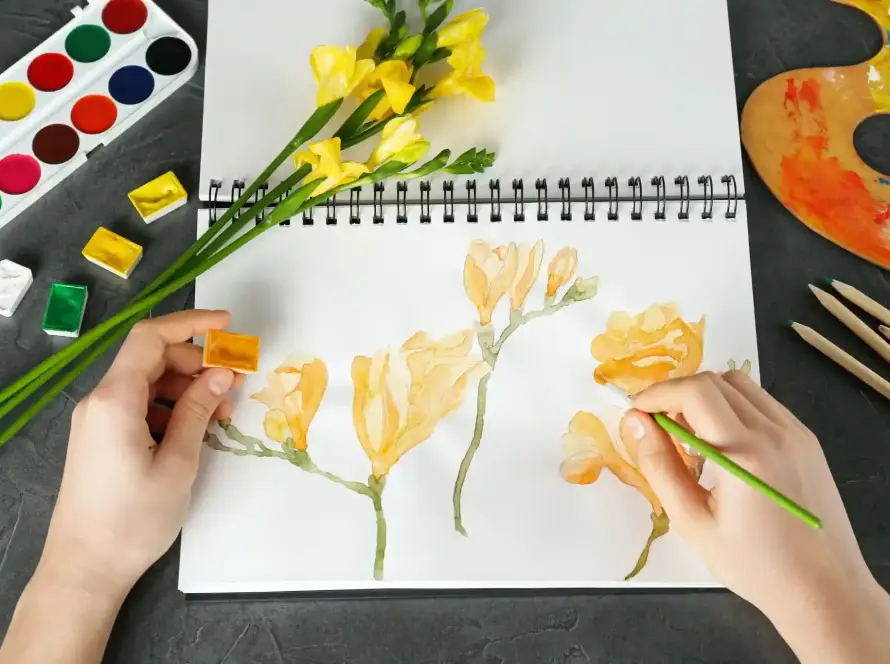
Color theory is key in visual art. Understanding how to mix colors effectively can transform your work. Begin by studying the color wheel. It helps you understand primary, secondary, and complementary colors. Experiment with mixing paints to create a range of hues. Practice using different media, such as acrylics and watercolors. Each medium behaves differently, so learning how to apply color in varied ways will broaden your skill set.
Composition and Design Principles
A strong composition makes your artwork more engaging. Learn the principles of balance, contrast, and focal points. These elements guide the viewer’s eye and create harmony within your piece. Start by analyzing artworks you admire. Notice how artists arrange elements and create visual interest. Practice these techniques in your work. A well-composed piece will resonate more deeply with your audience.
Mastering Painting Techniques
Painting is an expressive medium that allows for endless creativity. Here are some techniques to enhance your painting skills.
Brushwork Techniques
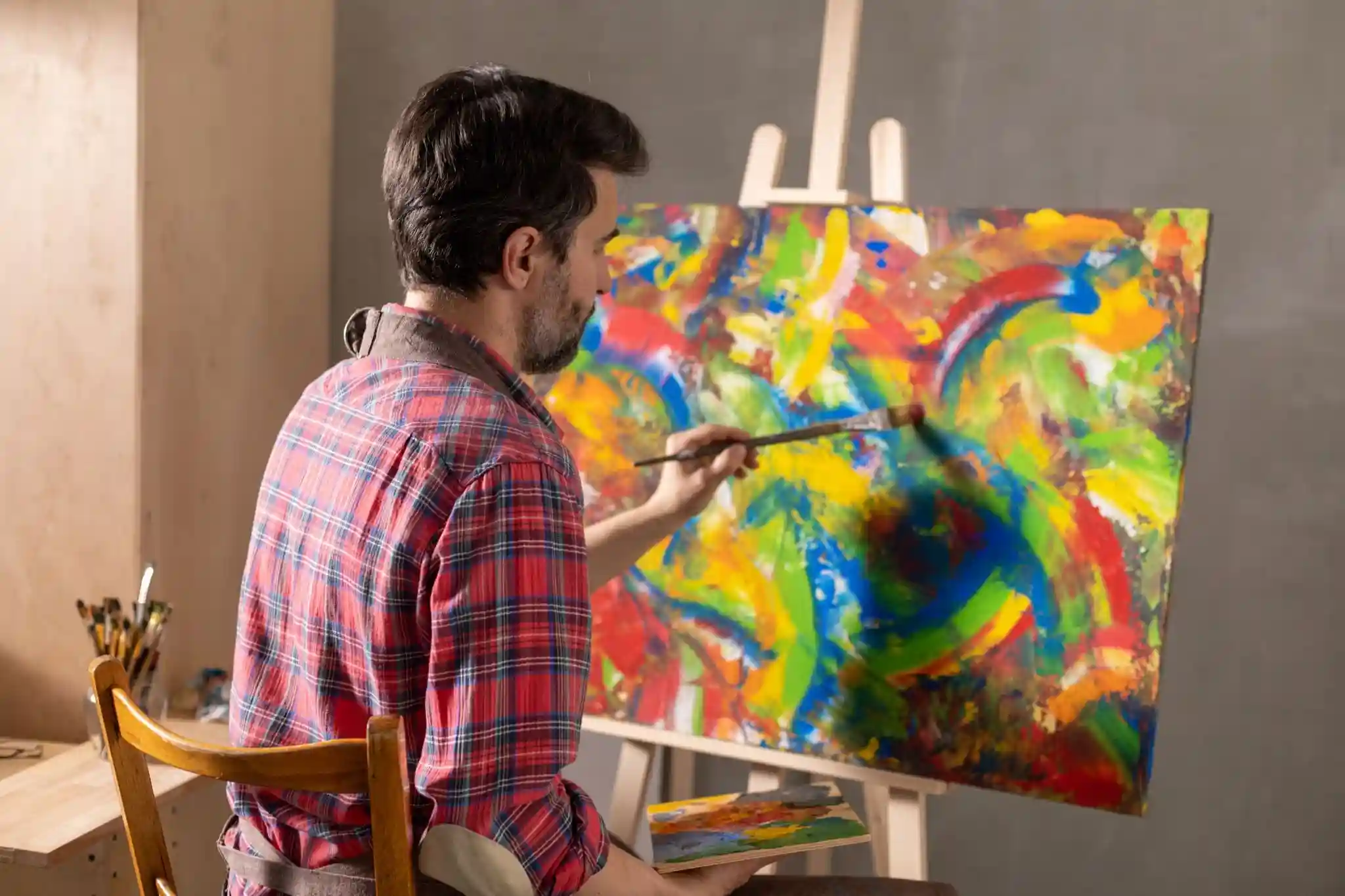
Your choice of brush can greatly affect your painting style. Different brushes create various effects. Experiment with flat, round, and filbert brushes to understand their unique characteristics. Practice varied brush strokes to create texture and depth. Short, quick strokes can add energy, while longer strokes can create smooth surfaces. Don’t be afraid to explore and make mistakes; that’s where the magic happens.
Layering and Glazing Methods
Layering is essential for creating depth in your paintings. It involves applying multiple thin layers of paint. This technique can help achieve a rich and complex look.
Glazing, on the other hand, allows you to add luminosity to your work. Apply a transparent layer of color over dry paint to create subtle shifts. Both methods require patience, but they result in stunning visual effects.
Experimenting with Texture
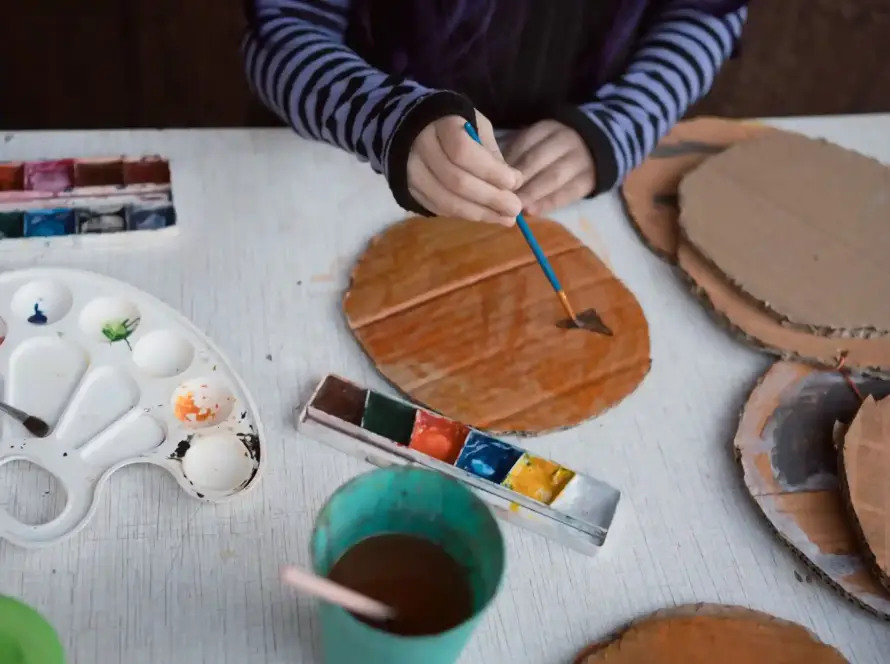
Texture adds an exciting dimension to your paintings. Use tools like palette knives, sponges, or even your fingers to create unique textures. Incorporating mixed media, such as fabric or paper, can also enhance the tactile quality of your art. Explore different materials and techniques to see what resonates with you. The more you experiment, the more you’ll discover new ways to express yourself.
Advanced Visual Art Methods
As you grow as an artist, consider exploring advanced methods to expand your repertoire.
Printmaking Techniques
Printmaking is a fascinating art form that can open up new creative avenues. Techniques like linocut, etching, and screen printing allow you to produce multiple copies of your work. Each method involves its own set of skills, from carving to ink application. Start with simple printmaking projects to understand the process. As you gain confidence, you can create more complex prints. This technique not only enhances your skills but also offers a unique way to share your art.
Digital Art Techniques
In today’s digital age, incorporating technology into your art practice is essential. Digital platforms offer a wide range of tools for artists. Programs like Adobe Photoshop and Procreate enable you to create stunning digital artworks. Learn the basics of digital painting, including brush settings and layering techniques. The flexibility of digital art allows for endless experimentation without the constraints of traditional media.
Sculpture and 3D Techniques
Sculpting adds a three-dimensional aspect to your artistic journey. Understanding basic techniques using clay, metal, or found objects can significantly enhance your skills. Focus on form, structure, and texture when creating sculptures. Start with small projects to practice your skills. As you become more comfortable, you can explore larger, more complex pieces. Sculpting encourages you to think about space and form in a new way.
Community Art as a Learning Tool
Engaging with your community can significantly enhance your artistic journey. Community art initiatives often provide opportunities for collaboration and learning.
Participating in Workshops and Classes
Workshops and classes are invaluable for skill development. They offer hands-on experience and access to knowledgeable instructors. Seek out local art schools or community centers that offer classes focusing on specific skills. Participating in these sessions can expose you to new techniques and methods. You’ll also meet fellow artists, fostering a supportive network that can inspire your creativity.
Collaborative Art Projects
Collaborative projects are a fantastic way to learn from others. Working with diverse artists can introduce you to different perspectives and techniques. These projects often encourage teamwork and innovation. Look for opportunities to participate in community art initiatives. Whether it’s a mural, installation, or performance, collaborating can lead to unexpected and exciting outcomes.
Continuous Improvement and Skill Development
Art is a lifelong journey. Committing to continuous improvement is essential for growth. Set personal goals for your artistic practice. Whether mastering a new technique or completing a series of works, having clear objectives can keep you motivated. Regularly review your progress. Reflect on what you’ve learned and identify areas for further development. Embrace challenges as opportunities for growth. The more you push your boundaries, the more you’ll evolve as an artist.
Conclusion
Mastering modern visual art techniques involves dedication, practice, and exploration. By focusing on essential skills and methods, you can enhance your artistic expression and connect with your community. Embrace the journey, and don’t shy away from experimentation. Art is about discovery and personal growth. With patience and perseverance, you’ll unlock new dimensions of creativity and expression.
FAQs
1. What are the basic skills needed for visual art?
Essential skills for visual art include drawing, color mixing, composition, and understanding different painting techniques, all of which contribute to the overall effectiveness and expression in artistic creations.
2. How can I improve my drawing skills?
To improve drawing skills, practice consistently, focus on observational techniques, study proportions and perspectives, and experiment with various styles and subjects to develop a versatile artistic foundation.
3. What is the importance of color theory in art?
Color theory is crucial for artists as it provides insights into how colors interact, enabling effective color mixing and application, ultimately enhancing the visual impact and emotional resonance of artwork.
4. How do I start with printmaking?
Start with printmaking by exploring simple techniques like linocut or screen printing. Gather necessary materials, learn the processes involved, and gradually advance to more complex methods as you gain confidence.
5. Why is community engagement important for artists?
Community engagement is vital for artists as it fosters collaboration, offers learning opportunities, and creates a supportive network. Sharing experiences and knowledge can inspire creativity and personal growth in artistic endeavors.